IMPACT & PERFORMANCE
The platform powering enterprise growth at scale
From peak sales events to global expansion and AI transformation, Sphere delivers the speed, resilience and scalability enterprises depend on.


Sphere is the unified commerce platform that brings together channels, customer context and commerce operations on a single headless foundation. It helps enterprises define, orchestrate and scale commerce across every touchpoint.
Fast-moving markets, rising customer expectations and the emergence of autonomous AI are reshaping how commerce operates. commercetools Sphere is the platform built for this new reality: A headless, modular and intelligent foundation that helps enterprises move faster, scale with confidence and run commerce autonomously.

Traditional commerce platforms were built for a world of fixed channels, predictable
customer journeys and manual operations. The autonomous era demands something
different. Sphere is built as the foundation for autonomous commerce.

Every commerce capability is exposed as an independent, versioned API, giving teams full freedom and control over how they build their stack, integrate solutions and design a commerce architecture for the AI era.

With Sphere, commerce operations remain adaptable and cost-effective. Connect any agent, channel or model without custom rework, and scale effortlessly as demand grows.

Sphere is fully designed to support and orchestrate all forms of agents across modern commerce workflows. A built-in runtime layer for agents combines governance, security and performance through commercetools MCPs.
From peak sales events to global expansion and AI transformation, Sphere delivers the speed, resilience and scalability enterprises depend on.
Engineered for extreme scale, Sphere processes massive transaction volumes.
Stay online when it matters most, with proven resilience during peak demand.
Sphere delivers lightning-fast response times that keep experiences seamless.
Modern commerce isn’t one-size-fits-all. Sphere adapts to your business model, channels, industries and technology choices, so you can build without constraints and scale without compromise.
B2C, B2B, D2C, marketplaces, subscriptions and any hybrid in between. Sphere supports the full spectrum of commerce models, enabling you to evolve as your business evolves.
From retail and grocery to manufacturing and healthcare, Sphere is built to support complex enterprise requirements across industries with flexibility and precision.

Deliver consistent, personalized experiences across any touchpoint: Online, in-store, mobile or emerging channels. Unified commerce ensures every interaction feels connected and on-brand.
Use the programming languages, frameworks, and tools you prefer. Sphere integrates seamlessly into your existing ecosystem, giving you the freedom to build your way.
You don’t need a full development team or months of setup to start building on Sphere. With commercetools for Builders, you simply describe what you want in a conversation and the platform builds your catalog, checkout and storefront automatically.
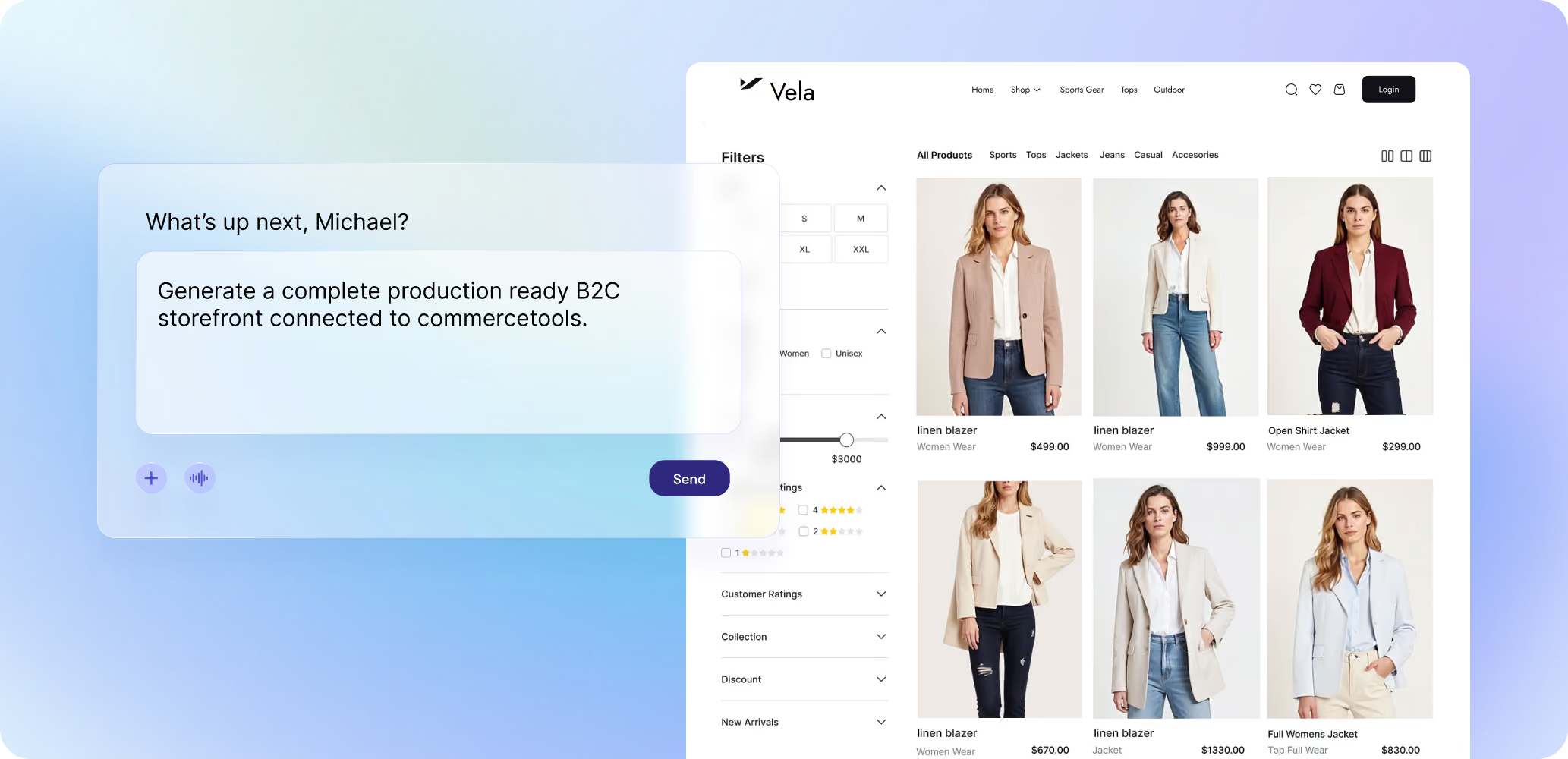
Install the Skills Library in Claude Code, Cursor, or your preferred AI tool and start building in under a minute.
The Skills Library and guided workflows bring all core building blocks together for a quick set-up, while AI handles the complexity behind the scenes.
Go from blank canvas to a production-ready webshop in just a few prompts. Complete with catalog, checkout and storefront, ready to run.
B2C, B2B, InStore and AI channels, commercetools gives you the full capability stack without complexity.
As the inventor and leader of headless commerce, our mission is to provide a future-proof commerce platform to our customers. Today our APIs enable the digital commerce experiences used by hundreds of millions of shoppers every day. We enable our customers to run outstanding shopping experiences for any touchpoint on one single platform - powering both the human and agentic buying journeys.

Let AI automate operations and execute commerce with intelligence.
Enable AI agents to discover, recommend, and transact on behalf of your customers.
Connect every touchpoint with one platform for seamless commerce.
Analyst reports, implementation guides, customer stories and deep dives — all the resources needed for teams evaluating agentic commerce solutions.
Join 500+ enterprises already running on commercetools.