

Get in touch
Stay informed
Receive monthly updates on trends, products and growth insights in your inbox.





Many businesses today are stuck operating on commerce platform versions that are no longer current — not by choice, but by necessity. Traditional eCommerce platforms rely on rigid versioning models that force companies into an impossible trade-off: Either remain on an outdated version with limited functionality and growing technical debt, or undertake a costly, high-risk upgrade project dictated by the vendor’s release schedule.
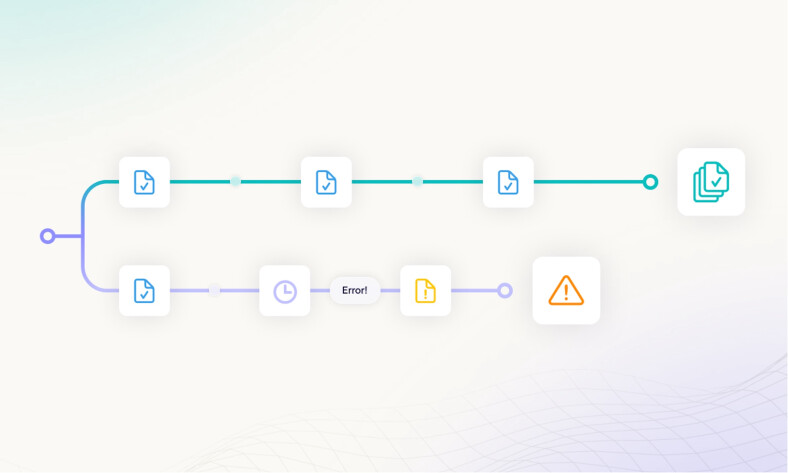
These forced platform upgrades are disruptive by design. They typically require extensive regression testing, complex migrations and coordination across multiple teams, systems and integrations. As a result, upgrades are frequently postponed for months — or even years — because the operational risk outweighs the immediate benefit.
Operating on outdated commerce platforms creates a cascade of challenges that compound over time, including:
For commerce and IT teams, this reality translates into slower time-to-market, higher operational overhead and reduced agility — all while customer expectations continue to rise.
Instead of focusing on innovation and differentiated customer experiences, teams are forced to prioritize platform maintenance, risk mitigation and technical debt management.
Being versionless means that all customers operate on the same version of the platform, enjoying immediate access to new features and enhancements. Unlike legacy commerce platforms that release major upgrades around once a year, commercetools’ versionless architecture continuously delivers updates without requiring lengthy upgrade cycles. This is achieved through our robust API contract, which ensures backward compatibility and maintains a seamless experience across releases. Our versionless approach guarantees that customers are always on the latest version of commercetools, so they can innovate faster and focus on growth without disruption.
Versionless commerce fundamentally changes how businesses manage digital commerce platforms. Instead of forcing companies to plan, schedule and execute disruptive upgrades, a versionless platform continuously delivers improvements, new features and security updates automatically — without downtime or operational risk.
Being versionless means all users share a single, continuously evolving platform version, giving immediate access to the latest capabilities. Unlike traditional commerce platforms that release major upgrades once or twice a year, versionless platforms deliver incremental updates automatically, ensuring businesses never fall behind.
By removing version constraints, businesses are always on the latest platform version, allowing teams to innovate faster, scale confidently and respond to market changes without being held back by vendor-driven release cycles.
Key aspects of versionless commerce include:
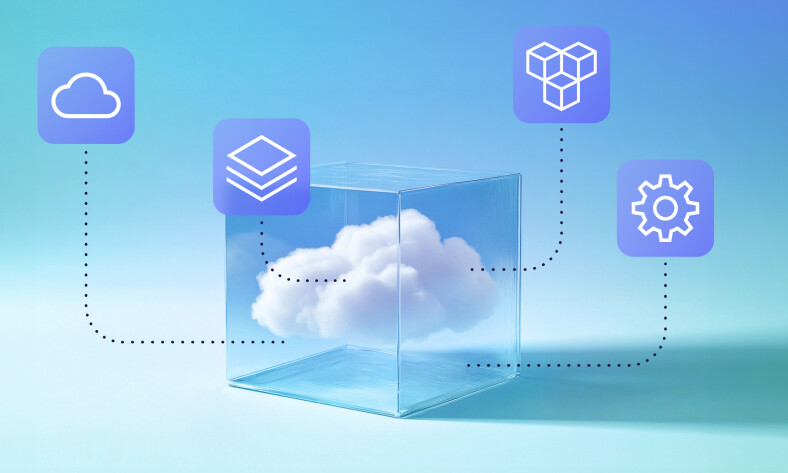
commercetools is built from the ground up as a versionless platform. Every customer automatically receives continuous updates without needing to plan upgrades or coordinate migrations. This is made possible through:
In practice, this means businesses can innovate, scale and stay competitive without ever worrying about the next major upgrade — the platform evolves continuously alongside them.
In conversations with our customers, one challenge stands out: Maintaining and upgrading traditional eCommerce platforms is costly, disruptive and time-consuming. commercetools’ versionless architecture directly addresses these pain points, enabling smoother operations, faster innovation and greater scalability.
Compliance standards and security protocols evolve quickly, often requiring urgent updates. With a versionless platform, security patches and compliance updates are continuously integrated, keeping businesses aligned with the latest regulations and mitigating risks — all without additional audits, retroactive fixes or operational disruption.
Traditional platform upgrades consume significant IT resources for testing, implementation and troubleshooting. With commercetools’ versionless architecture, teams no longer spend weeks on regression testing or maintenance, freeing IT to focus on strategic initiatives, growth and digital innovation. This reduces overhead while improving operational efficiency across multiple sites and regions.
Legacy commerce platforms often delay feature rollouts until major releases, slowing innovation. Versionless commerce ensures new capabilities are available immediately upon release, enabling businesses to respond rapidly to market trends, adopt emerging technologies and maintain a competitive edge.
Enterprises on traditional platforms rely heavily on vendor support for large upgrades, which slows the deployment of new functionality. Versionless commerce eliminates this dependency, making updates seamless and self-sustaining so teams can stay current without waiting for vendor intervention.
High-traffic events like flash sales, holidays or product launches can strain traditional systems. commercetools’ versionless platform is cloud-native and inherently scalable, delivering reliable performance under heavy loads without reconfiguration. This ensures a consistent, high-quality customer experience even during peak demand.
commercetools’ versionless architecture is more than a technical advantage — it’s a transformative approach to digital commerce. By eliminating disruptive upgrade cycles, businesses can operate at full agility, scale seamlessly and innovate continuously without the operational burdens of downtime, regression testing or manual maintenance.
Customers gain predictable reliability, immediate access to new features and a platform that evolves with their needs, enabling them to stay ahead in a fast-moving, competitive market.
In a world of constantly shifting customer expectations and market demands, versionless, composable commerce gives organizations the flexibility to focus on what matters most: delivering exceptional experiences, accelerating growth and future-proofing their digital commerce infrastructure.

Start Your 60-Day Free Trial
Start building your commerce innovation for free. Get full access to the commercetools platform to pilot your project.

Manuela leads content strategy at commercetools. With over 20 years of experience in B2B SaaS, she writes about all things commerce by day and turns to fiction by night. She loves long walks, traveling, and, unsurprisingly, reading books.
Receive monthly updates on trends, products and growth insights in your inbox.