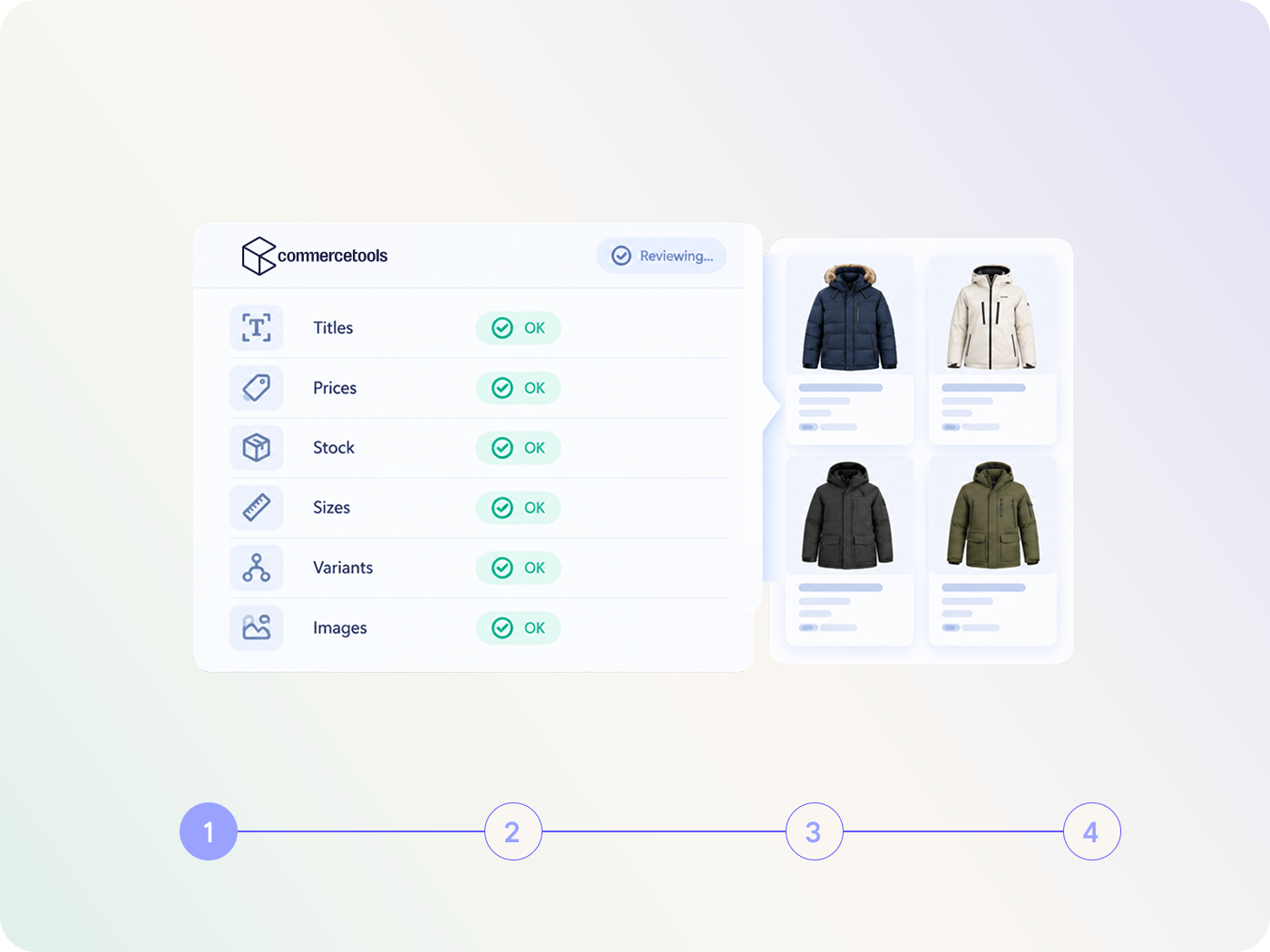
Step 1: Check your product data
We review titles, prices, stock, sizes, variants and images. The cleaner the data, the more of your catalog Muse can show, so we close gaps before Meta sees them.


Muse is Meta’s AI shopping agent, and it’s live in the US with more markets to follow. commercetools connects your catalog to Muse directly, so it works from your product data instead of guessing from your website.
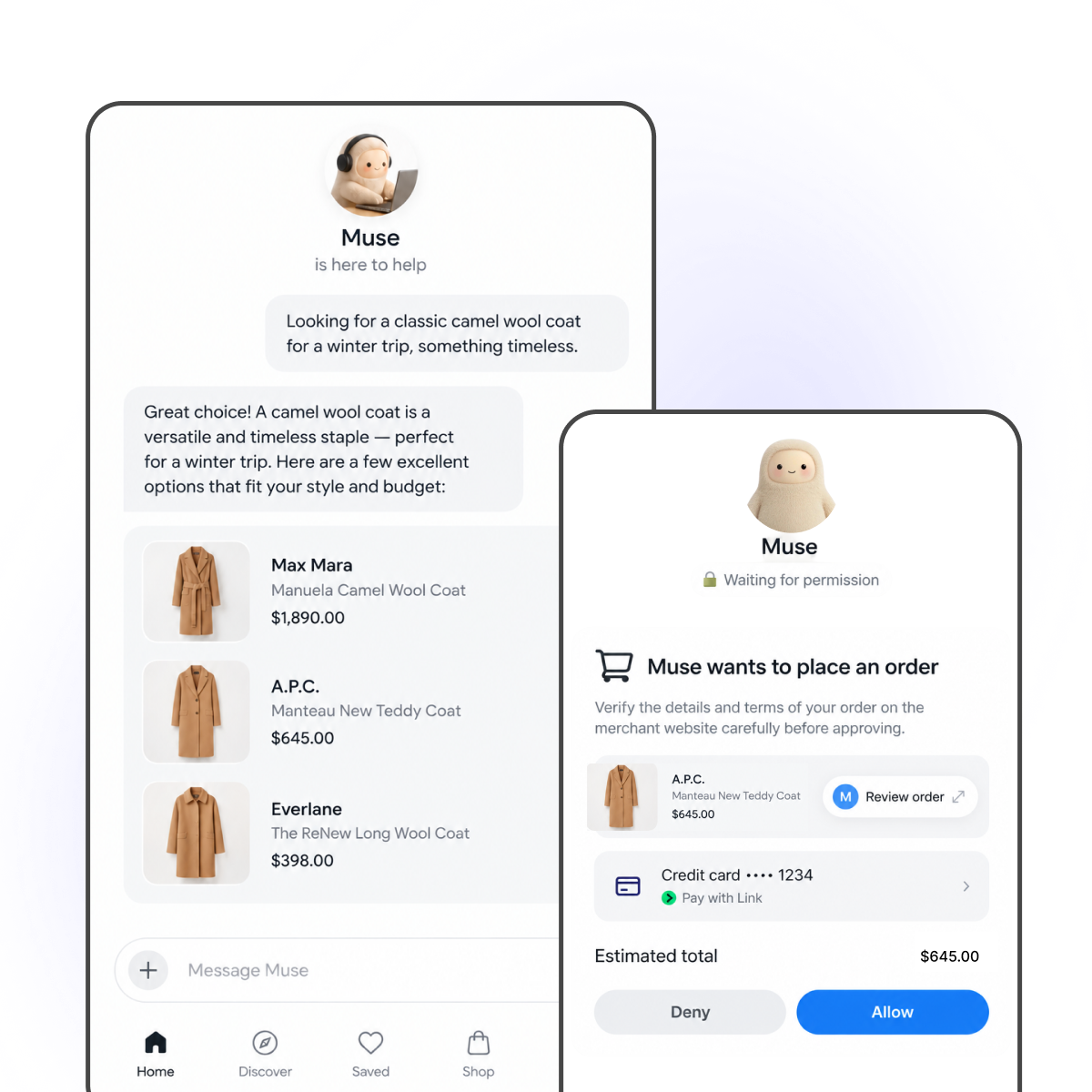
Muse helps people find, compare and shop for products. When you share structured product data through Meta’s Open Catalog, Muse works from facts you control, not from whatever it can read off your pages. commercetools connects your catalog with Meta’s structured data program, so Muse sees the same product data you already use to run your business.

Your products, with your prices, stock and variants, are indexed in Muse rather than reconstructed from your website.

Muse draws on the prices and promotions in your commercetools catalog, so shoppers see your numbers.

Product data flows from the commerce system you already run. No separate feed build, no spreadsheets.
Source: Meta Q3 2026 earnings call.
Downloads in the first month, with shopping as the top use case.
Average purchase value through Muse.
Of users ask Muse to find deals and buy.
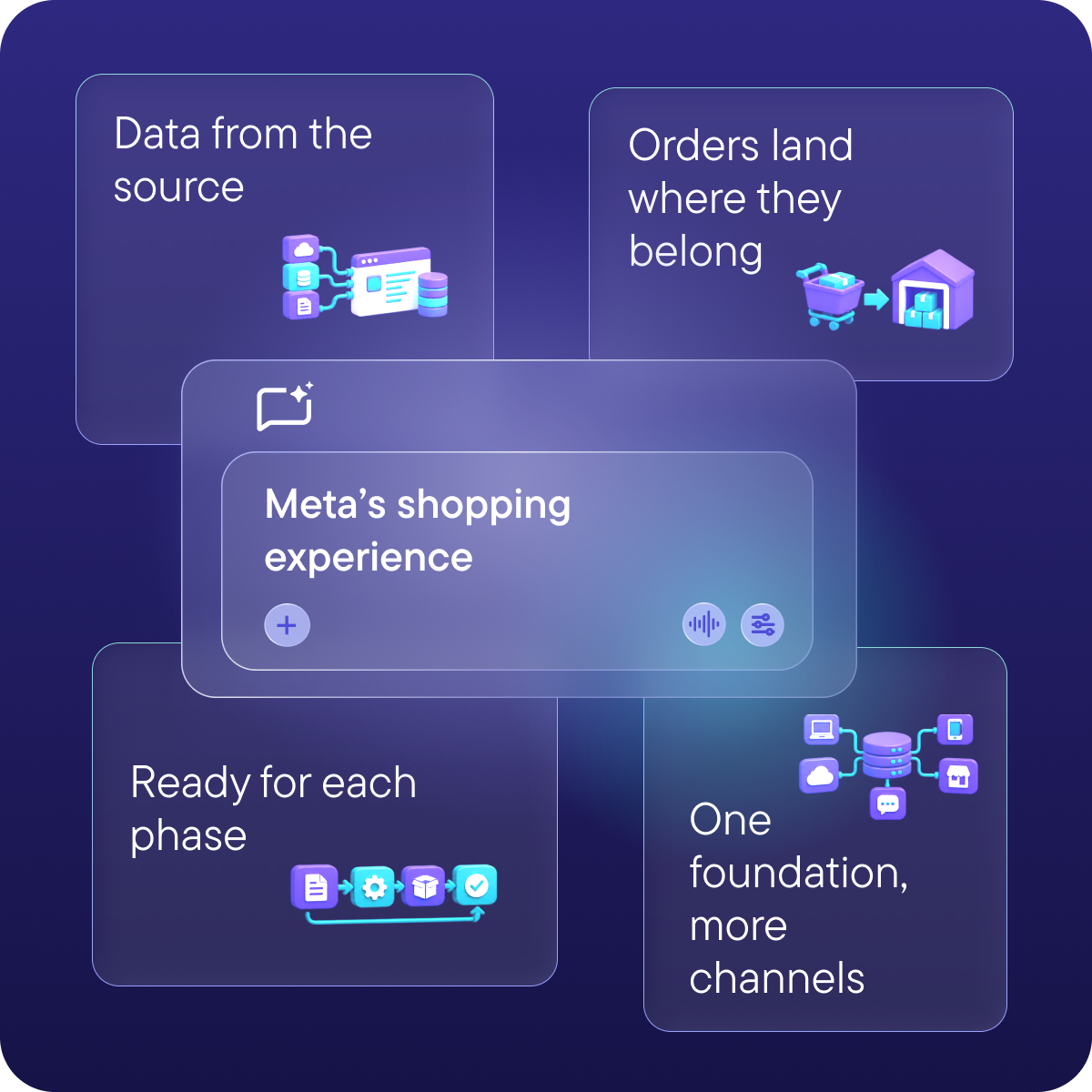
Meta is opening Muse’s AI shopping features in stages, and each builds on the last. Connect your catalog now and you won’t need to start over as new features arrive.
Meta sets the timing and scope of each phase.
We prepare your data, handle the technical setup and walk you through Meta’s review.
We review titles, prices, stock, sizes, variants and images. The cleaner the data, the more of your catalog Muse can show, so we close gaps before Meta sees them.
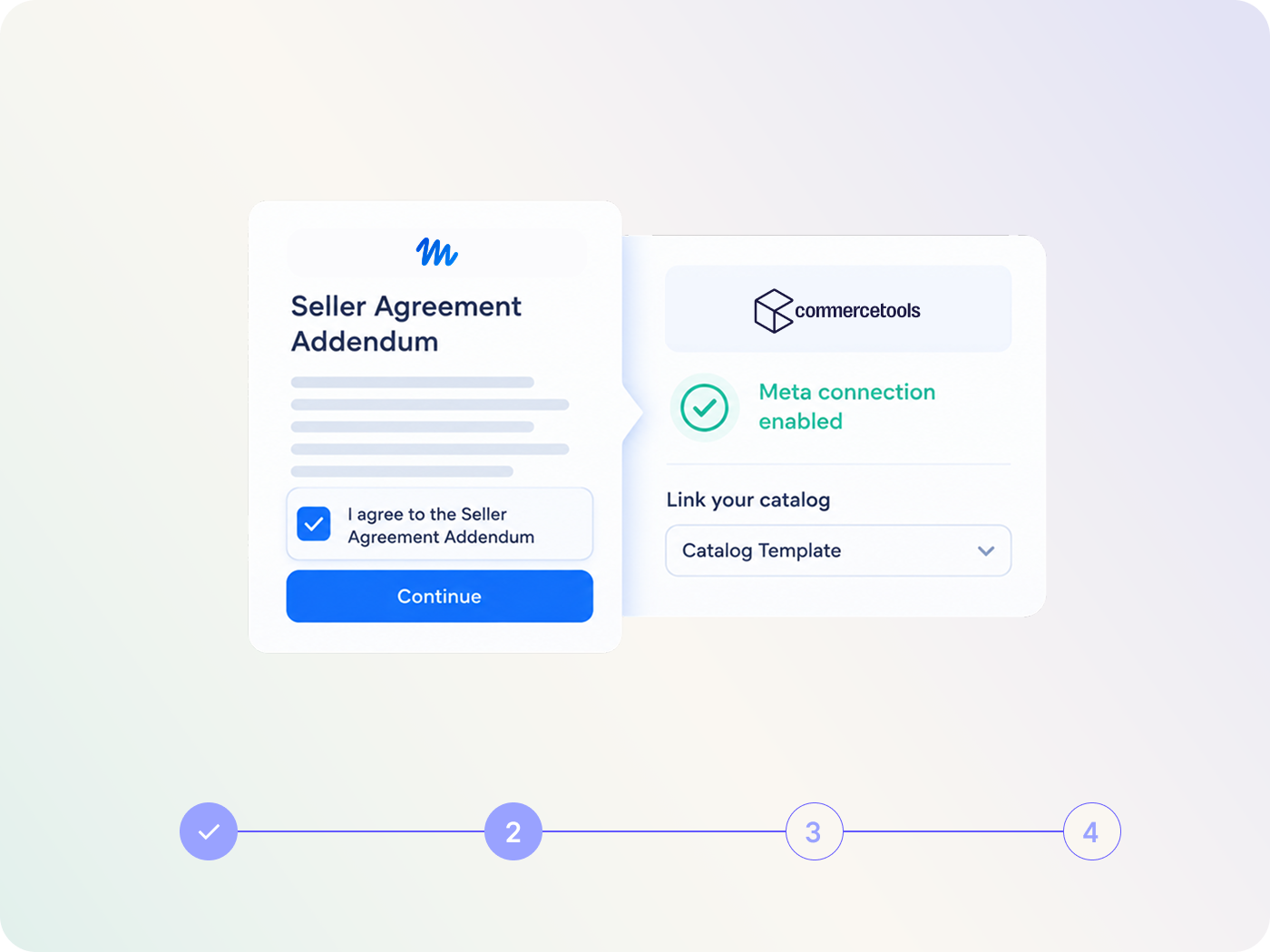
Your team accepts Meta’s Seller Agreement Addendum. We enable the Meta connection and link your catalog using a ready-made template in commercetools Agentic Commerce.
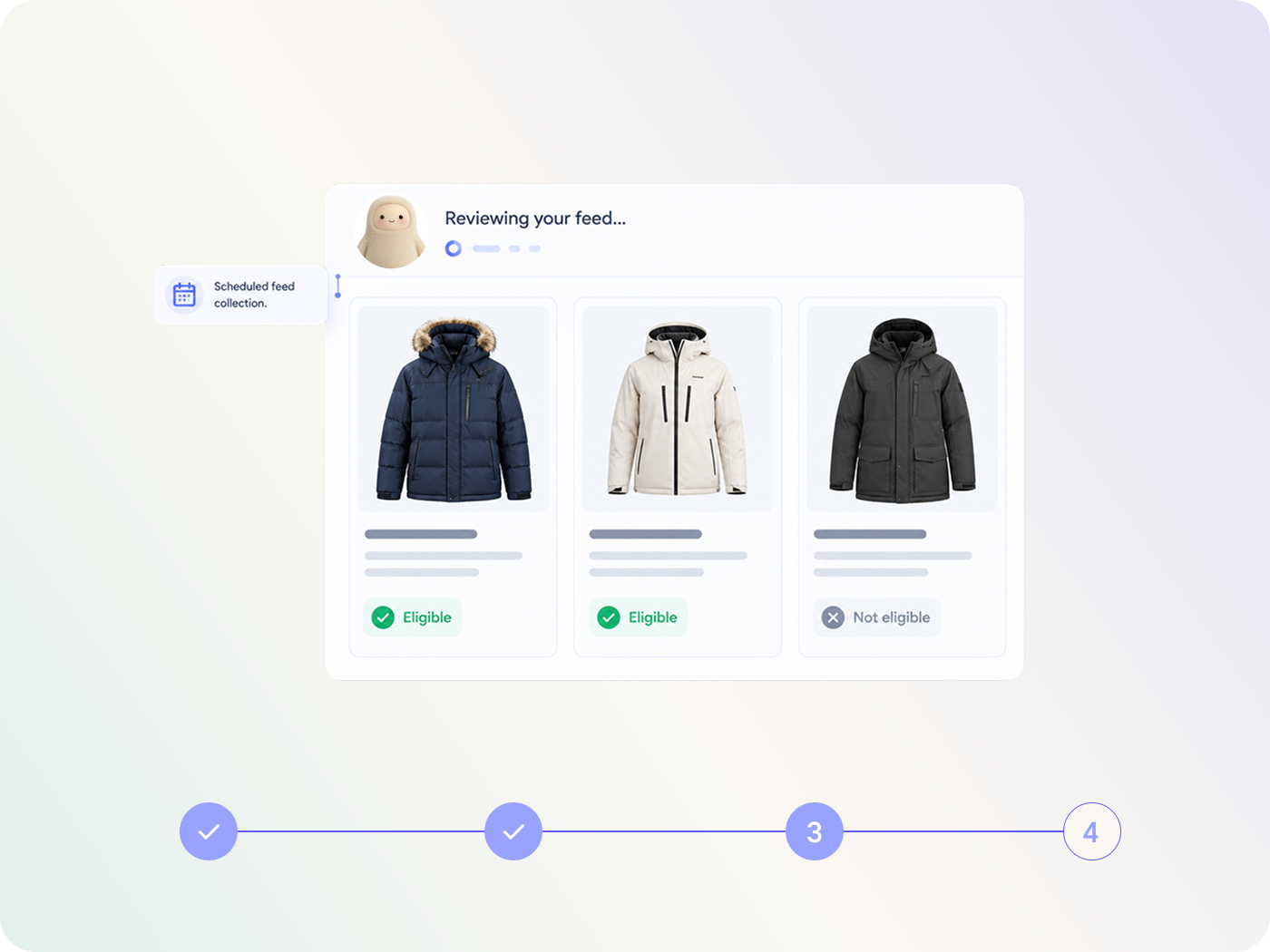
Meta collects your feed on a schedule and checks which products are eligible. There’s no sandbox, so review runs on your live catalog. That’s why step 1 matters.
Eligible products become discoverable in Muse, and Meta decides how they’re ranked and shown. As Meta opens new phases and markets, your connection is already in place.
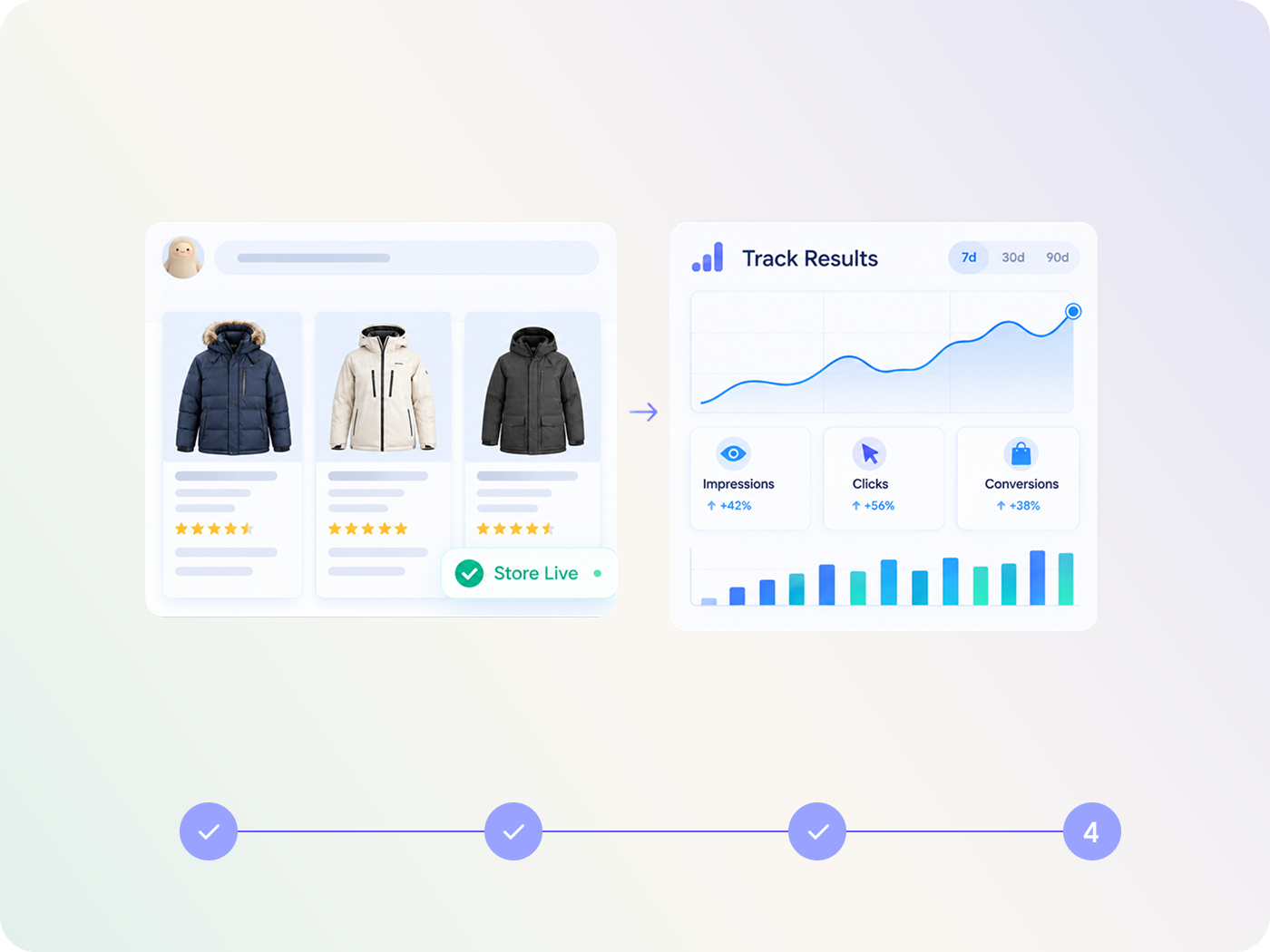
Your product data reaches Meta straight from commercetools. AI Hub prepares and hosts the feed and Meta indexes it, so you don’t build a separate feed or implement a second commerce stack.

Prices, stock and variants come from your commercetools catalog, so Muse and your storefront draw on the same facts.
When Meta opens checkout, Muse orders will arrive in commercetools like any other channel’s. Fulfillment, returns and service run as they do today.
Discovery today, live price and stock next, checkout after that. The same connection supports each as Meta enables it.
The commerce capabilities behind this connection also serve Google’s Universal Cart, ChatGPT and the channels still to come.
Talk to a commercetools expert about:
Muse is Meta’s AI shopping agent. People ask it to find products, compare options and buy. It launched in the US in September 2026 and is expanding, with shopping its most common use.
commercetools shares your product catalog directly with Meta through a structured data feed. Products shared this way are indexed in Muse’s catalog, so they can appear in results and comparisons without Muse having to read your website. You opt in, accept Meta’s Seller Agreement Addendum, and commercetools AI Hub handles the connection and feed.
Not automatically. You opt in and accept Meta’s Seller Agreement Addendum, then Meta reviews your feed and decides which products appear. It’s open now to merchants selling to US shoppers, with the UK and other markets to follow. Meta controls timing and access, and we can’t guarantee approval or placement.
Today, your product data, including prices and stock, flows from commercetools to Meta through AI Hub on a regular schedule. When Meta enables live price and stock checks (Phase 2), shoppers will see current figures instead of the last sync.
Reading pages is slower and more error-prone, since details get missed or misread. A direct connection gives Muse your data as you maintain it. It’s also the prerequisite for Meta’s checkout phases.
No. If your catalog is in commercetools, AI Hub connects it to Meta. If you’re on another platform, talk to us about your options.
Several feed tools can connect you to Open Catalog for discovery. The difference is where the data comes from and what comes next. Ours comes straight from your commerce core, and when Meta opens checkout, your own cart, checkout rules and order systems are already in place.