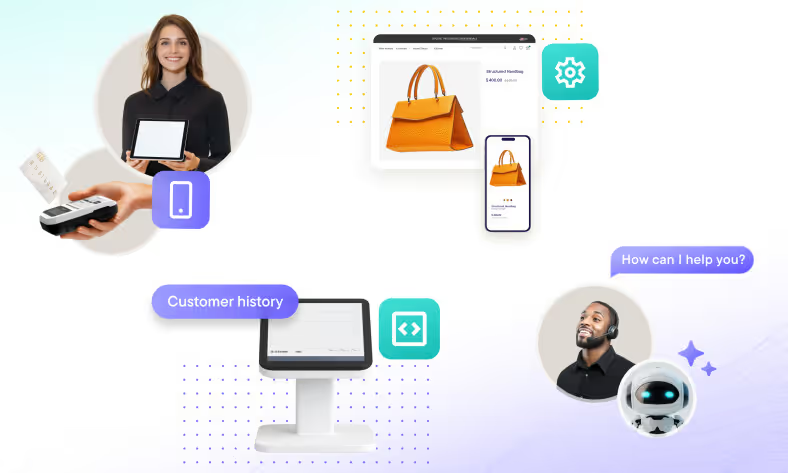
Multiple channels
Ensure consistency across all physical and digital channels by storing and managing data in one platform.




With a single foundation for customer, product, inventory and order data, businesses can deliver consistent experiences while operating more efficiently at scale.
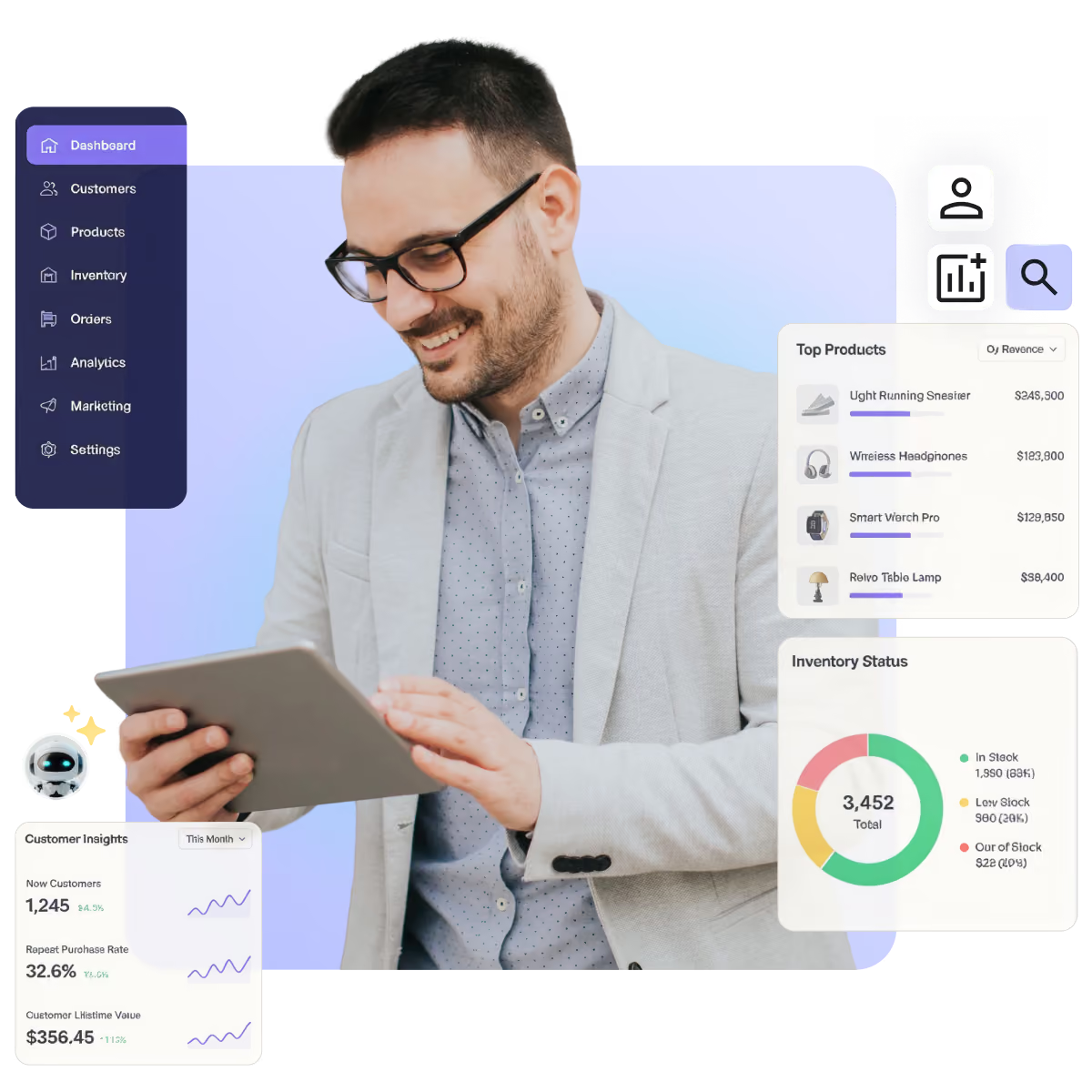

Unified commerce brings together customer, product, inventory, pricing, loyalty and order data on one platform. With a single source of truth for your business, you can deliver seamless customer experiences while simplifying operations across brands, regions and business models.
commercetools is the only unified commerce platform built for the “multi-everything” reality of modern retail. By combining a unified data foundation with the flexibility of a modular architecture, it enables businesses to adapt, scale and grow — no matter what comes next.
Unified commerce delivers value across the business by connecting data, channels and operations on a single foundation.

Connect stores, digital channels, brands and business models to create consistent shopping journeys, personalized interactions and frictionless fulfillment.
Eliminate data silos and manual processes with a unified platform that streamlines inventory, order, pricing and customer management across the organization.
Access a single view of customers, products, inventory and orders to make faster, more informed decisions and respond quickly to changing demand.
Scale across new channels, regions, brands and business models without adding complexity, giving your business the flexibility to adapt as customer expectations evolve.

Examples of use cases enabled by a unified commerce foundation.

Orders are coordinated seamlessly across online and store networks, enabling flexible options such as BOPIS, ship from store and easy cross-channel returns.

Customer data is unified across all channels to deliver consistent, real-time personalization, including tailored offers and rewards across web, app and in-store experiences.

Store associates are equipped with real-time customer insights and product recommendations, enabling more personalized, higher-converting experiences.

Real-time inventory data across all locations ensures accurate availability wherever customers shop, while endless aisle capabilities extend product access beyond local stock and in-store assortments.
Manage the complexity of modern retail across channels, brands, markets and business models.
Ensure consistency across all physical and digital channels by storing and managing data in one platform.

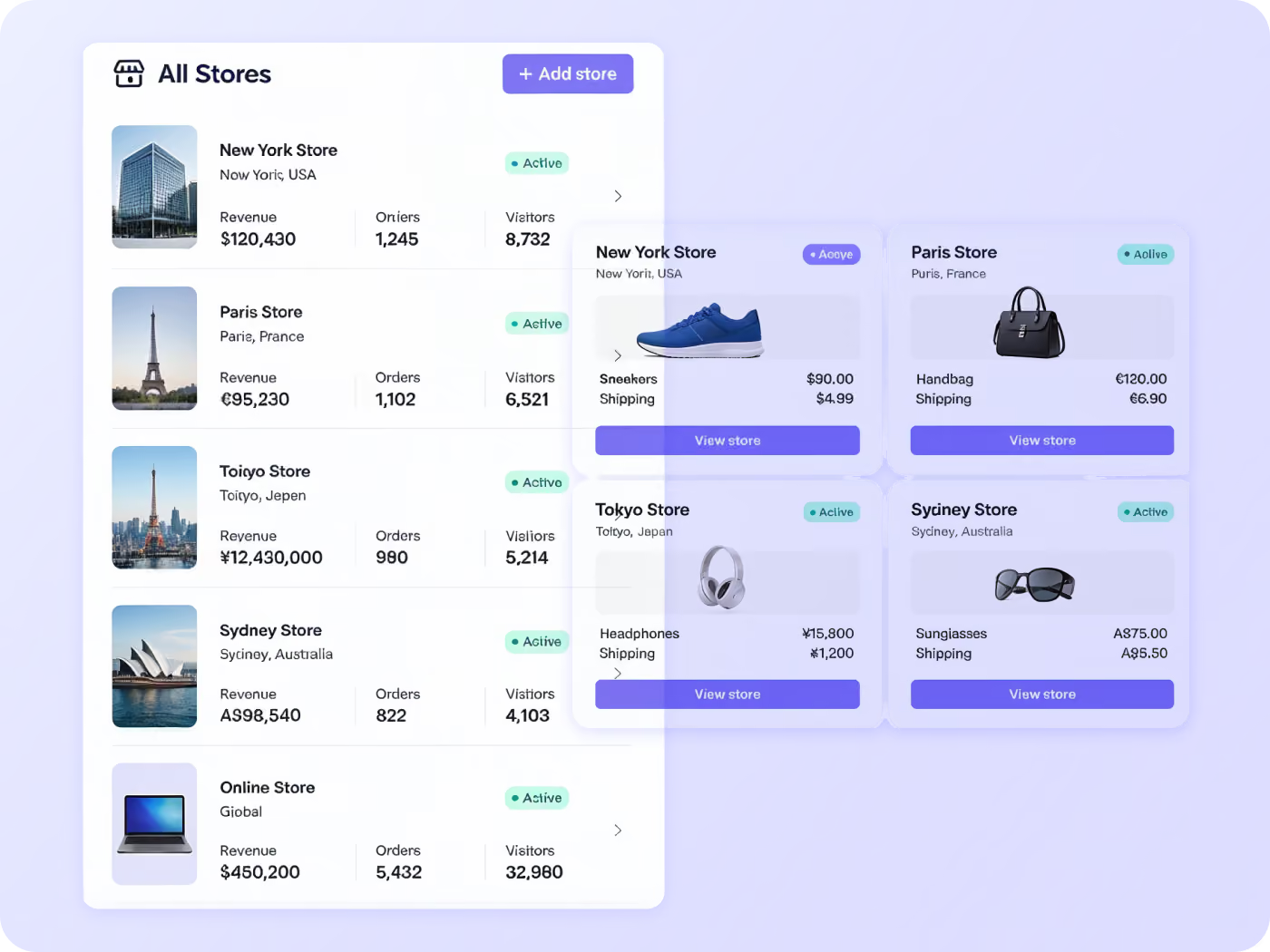
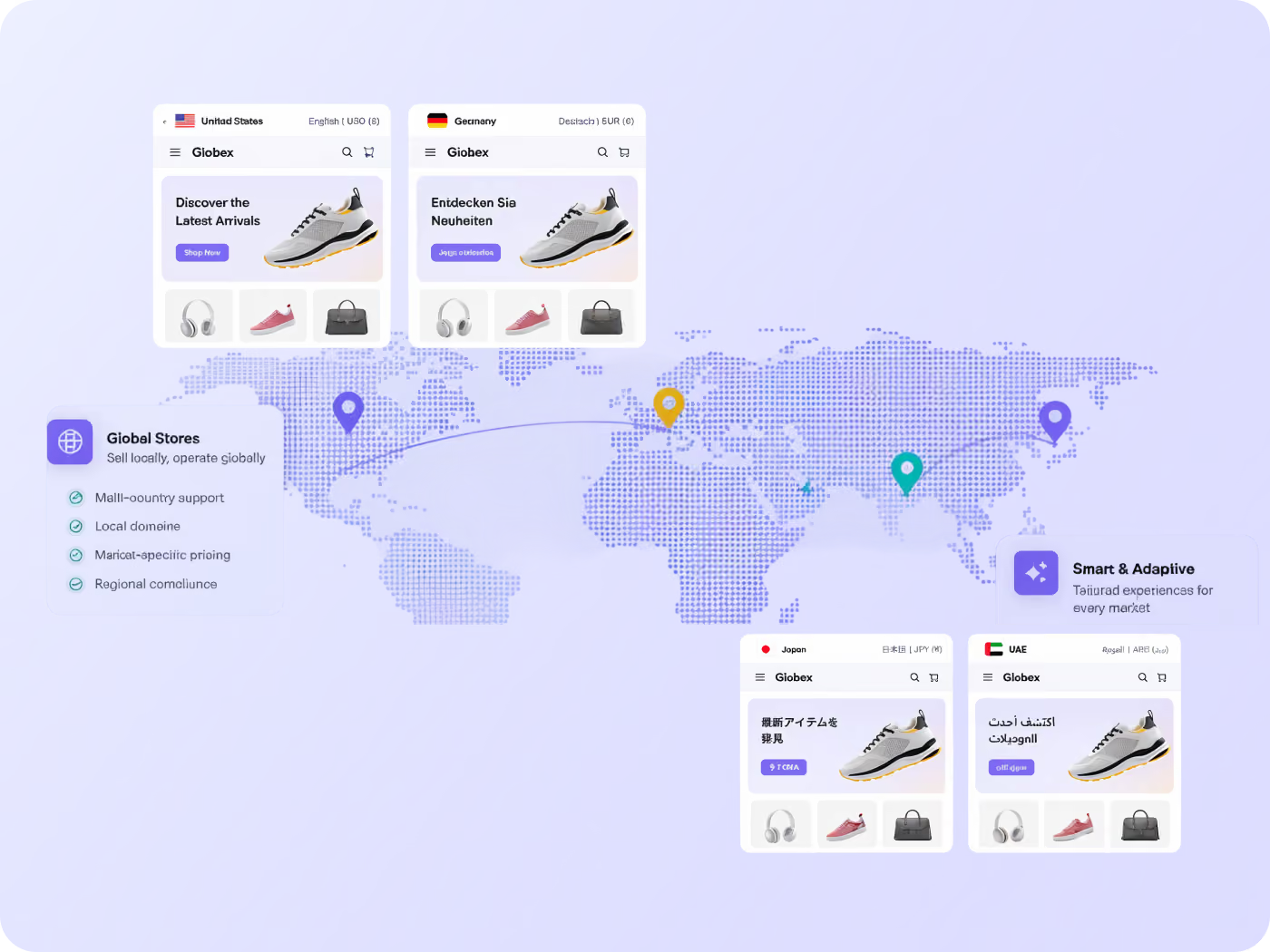
Create and configure unlimited stores for digital or physical locations, each with tailored pricing, products, carts and experiences.
Support B2C, B2B, D2C and hybrid models from a single platform without added complexity.
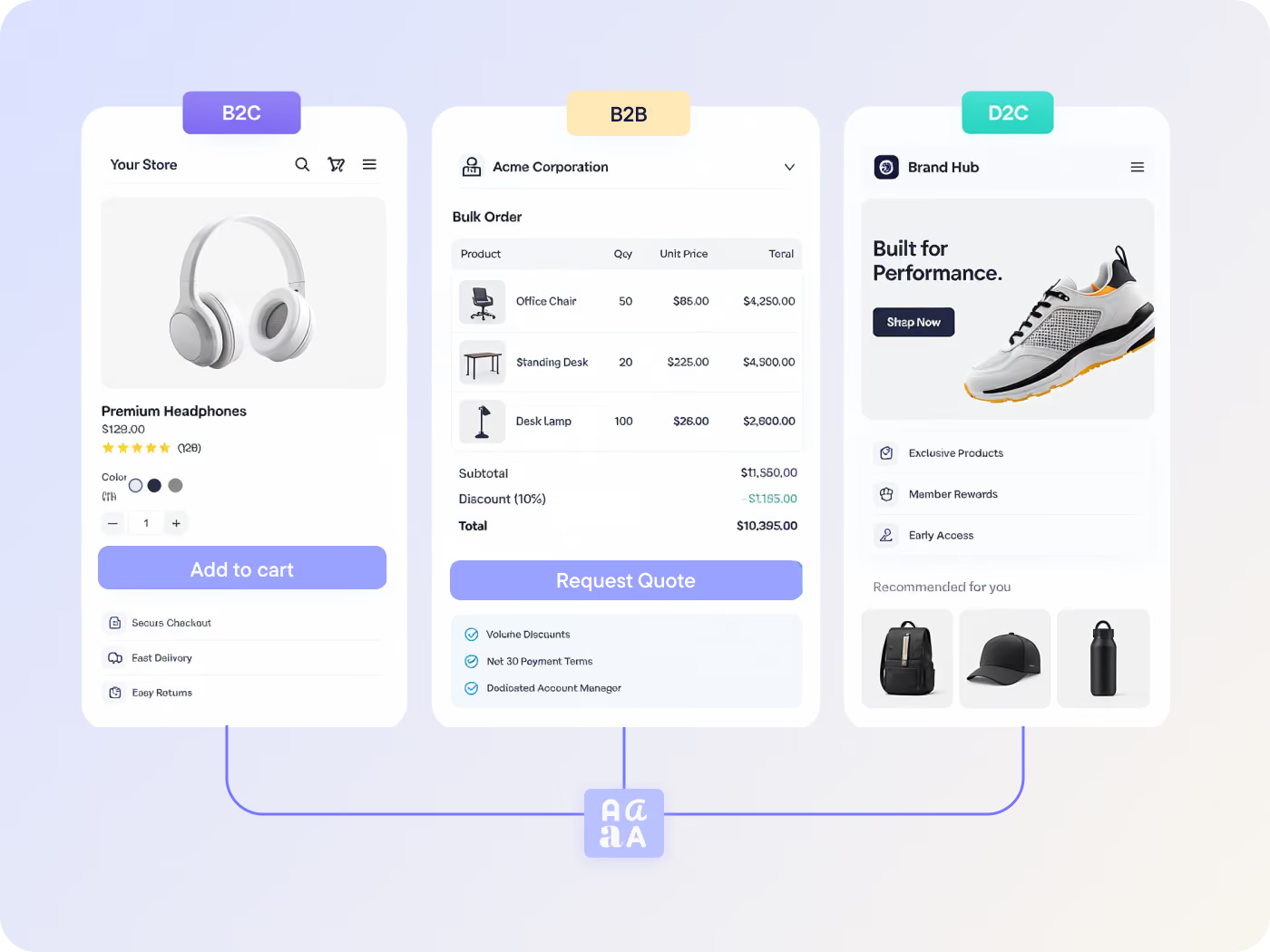
Localize commerce experiences with flexible data handling for currencies, languages, dates and regional requirements.
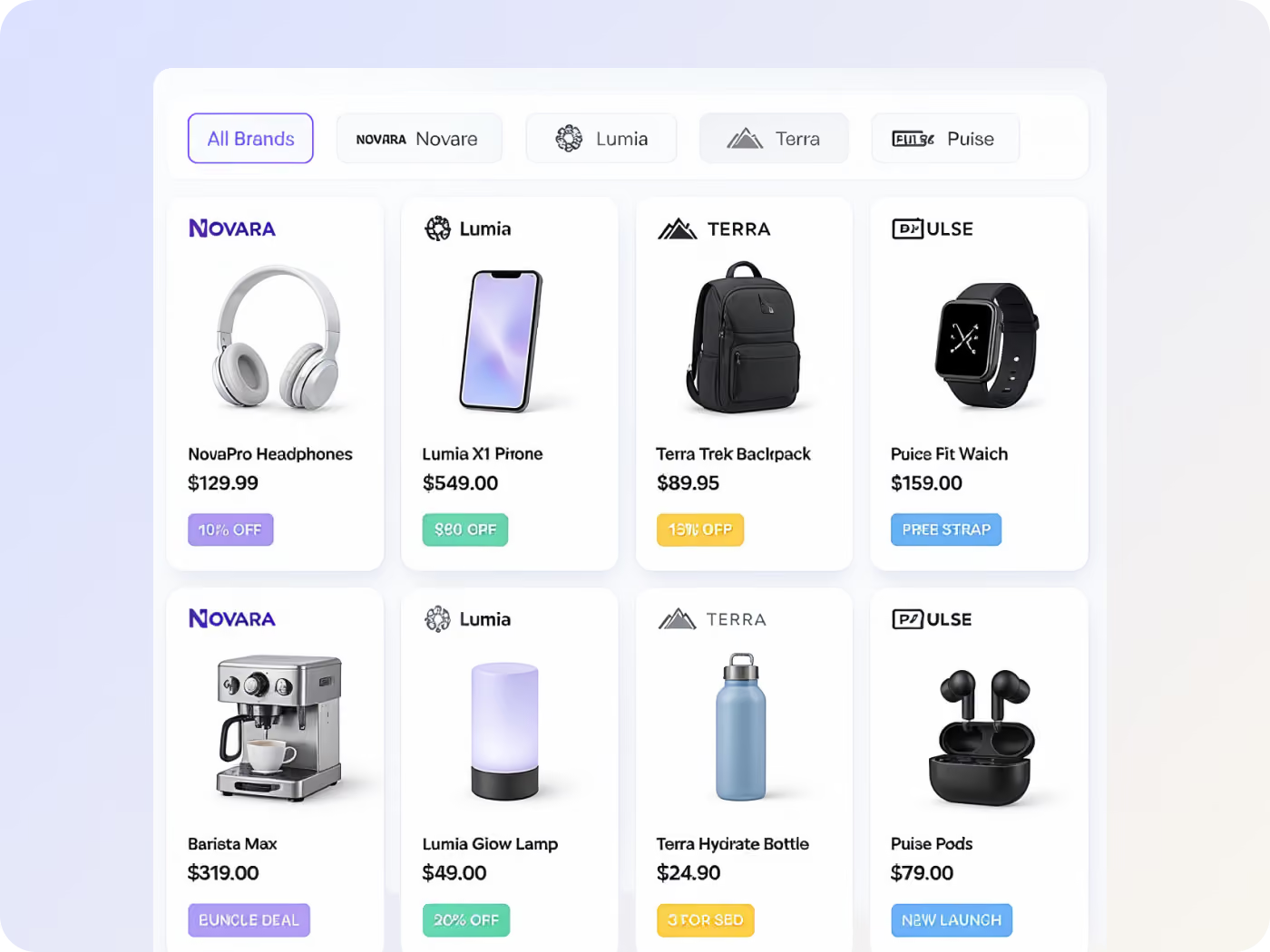
Differentiate products, pricing and promotions across brands while maintaining a shared underlying data model.
Find the right solution for your business.
commercetools provides a flexible, centralized foundation to manage core data like customers, products, pricing and inventory across all digital touchpoints.
commercetools enables complex B2B operations with support for account hierarchies, contract pricing, approvals and self-service purchasing, all built on a single foundation that scales with your business needs.
Unify in-store and digital operations with a single backend. Designed for modern retail environments, it supports assisted selling and flexible in-store experiences without being tied to traditional POS constraints.
Launch AI-powered shopping experiences on top of your existing tech stack with a plug-and-play foundation for agentic commerce.
Here’s how forward-thinking brands are raising the bar through smarter integration with commercetools.
Find everything you need to evaluate unified commerce.
Traditional POS systems often reinforce separate online and in-store setups. Unified commerce, in contrast, relies on a unified data platform that connects all channels in real time.
By replacing siloed POS-driven processes with a unified data platform that keeps inventory synchronized across all channels in real time.
POS systems support essential in-store transactions such as payments, returns and basic inventory updates. However, in traditional setups, they often operate as standalone systems, which can limit unified commerce by keeping in-store and online data separate rather than fully integrating them across channels.
Retailers need modern POS systems to unify digital and in-store channels, enabling real-time synchronization of inventory, customer and order data on one platform. Modern POS systems like commercetools InStore are ideal to solve this challenge.
Omnichannel connects channels, while unified commerce operates on a unified data platform that removes silos between online and offline systems.
Agentic AI depends on a unified data platform that provides real-time, consistent data across all commerce systems and channels.
Sphere is commercetools’ unified commerce platform that enables businesses to operate across multiple regions, brands and business models from a single foundation, ensuring consistent data while maintaining flexibility at the local and channel level. To seamlessly connect in-store and digital operations, commercetools InStore is the modern POS system that provides a unified approach to managing products, inventory, pricing, customers and orders across every touchpoint.
Join 500+ enterprises already running on commercetools.