Get in touch
Stay informed
Receive monthly updates on trends, products and growth insights in your inbox.





The traditional picture of retail checkout — a customer standing at a fixed counter while an associate operates a workstation — is only one part of today’s store experience.
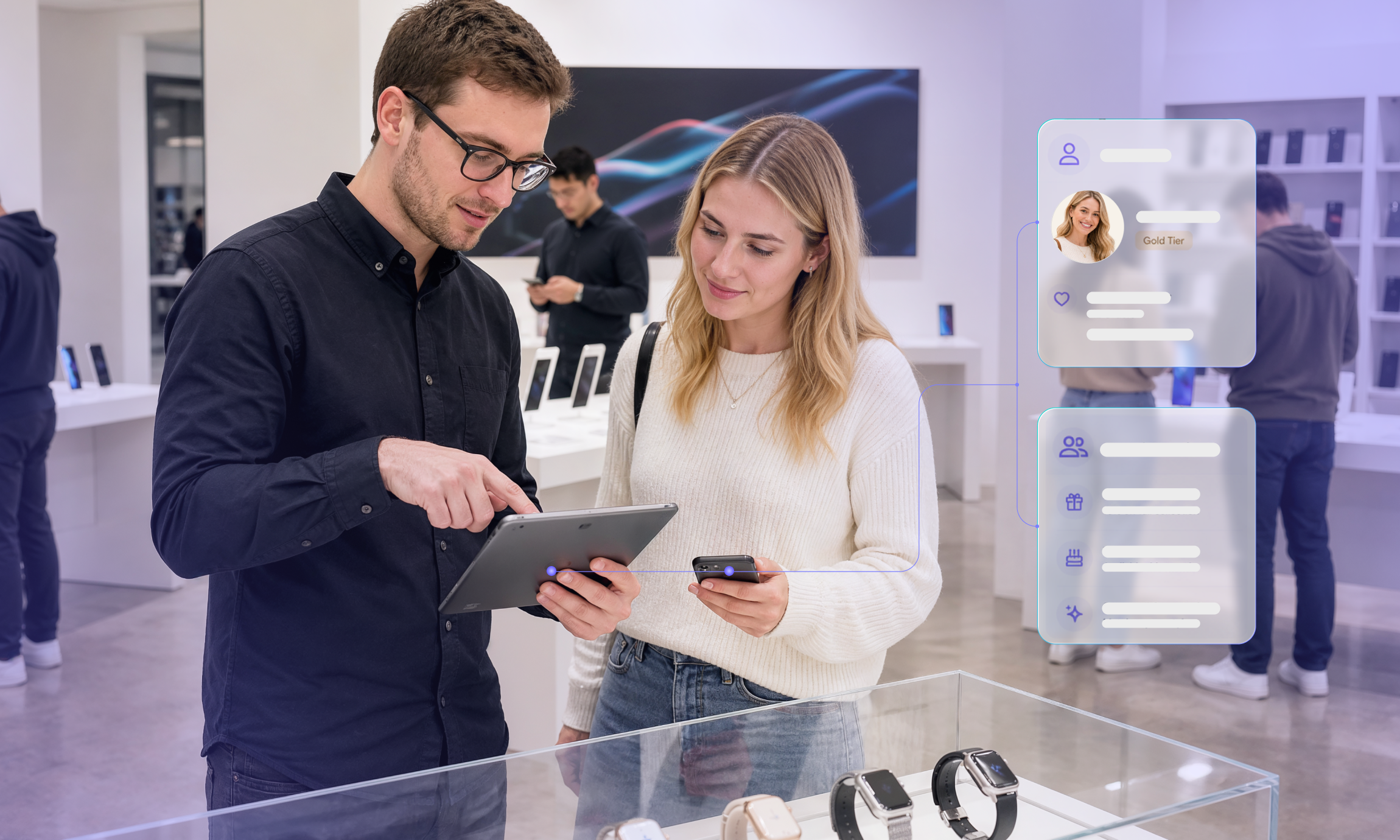
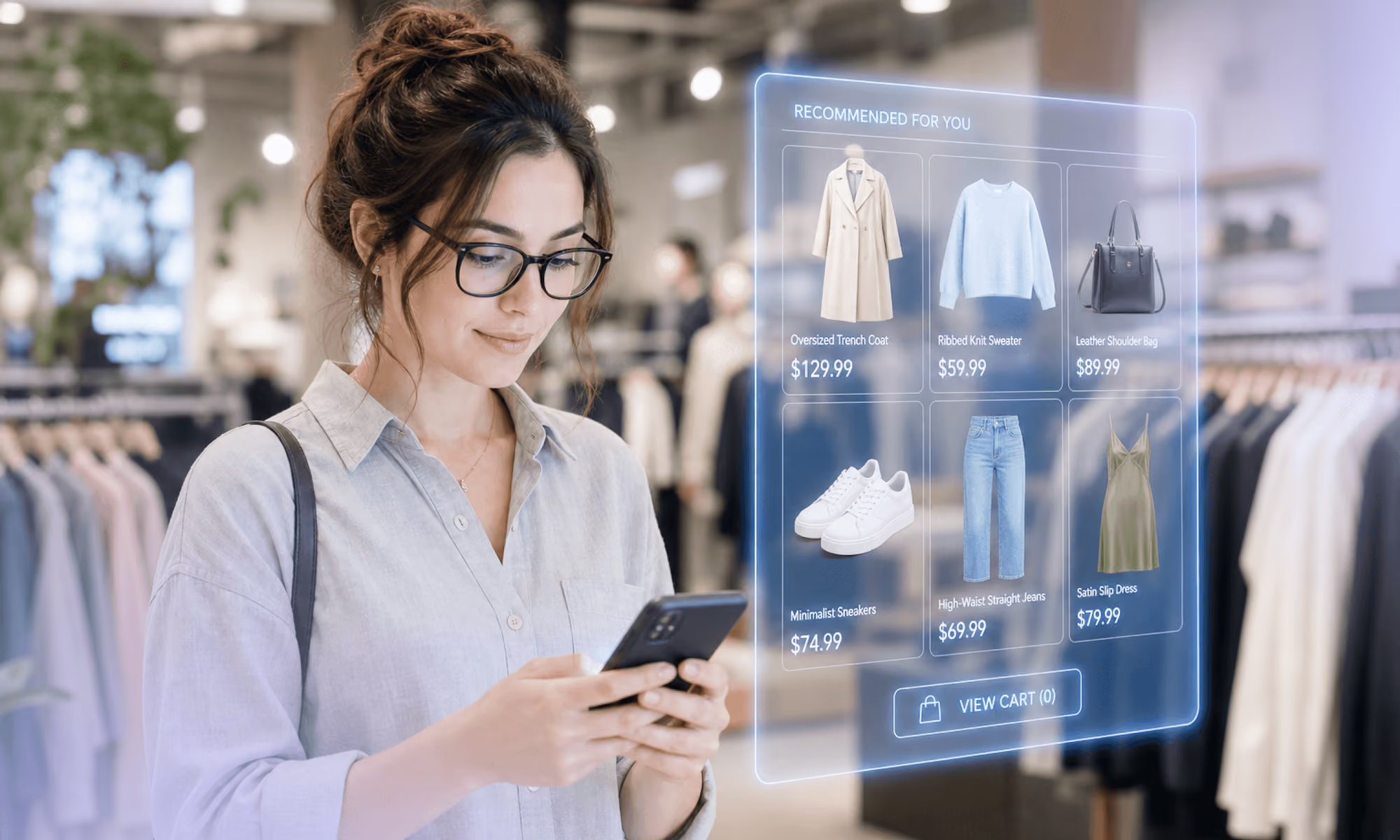
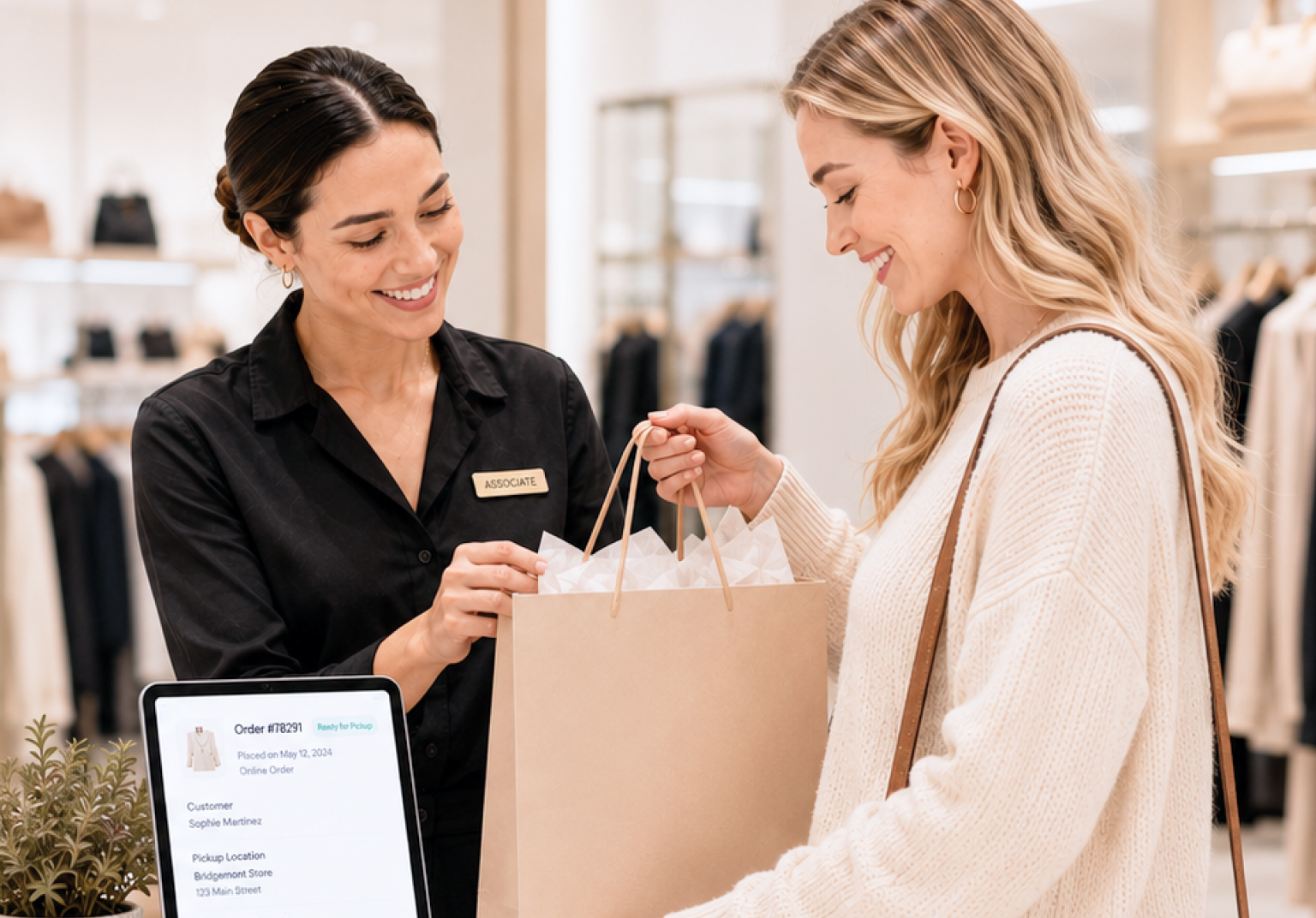
Associates are increasingly moving around the sales floor, using data and digital tools to support customers wherever the interaction happens. They might check inventory at another location, look up a loyalty profile during a conversation, process a return for an online purchase, help a customer place an order for an item that isn’t available in-store, or complete a transaction on a tablet or handheld device.
In other words, the associate is no longer necessarily tied to a register. The technology in their hands shouldn’t be either.
That shift creates a challenge for POS systems. Traditional packaged POS applications can be highly capable, but they have often been designed around fixed workstations and predefined workflows. At the other end of the spectrum, building a highly customized POS experience from the ground up can give retailers enormous flexibility, but it also requires significant development, testing, maintenance and operational effort.
The new productized InStore POS application is hosted and maintained by commercetools, with core InStore capabilities available out of the box.
Retailers don’t have to start by assembling and maintaining every part of a POS application themselves. It’s designed to sit between those two extremes: A ready-to-use POS application with core capabilities available out of the box, while giving retailers the flexibility to adapt the associate experience to the way they actually sell.
The InStore POS application is browser-based and responsive, so the same interface can adapt from a desktop workstation to a tablet or handheld device from a single codebase. There’s no separate mobile application to build, download, install and maintain.
This gives retailers more flexibility in how and where associates work:
The device becomes a choice based on the job, rather than a constraint of the POS.
The experience can also be tailored to the retailer. With API-first theming, retailers can adapt elements such as colors, typography, component styling and responsive layouts to reflect their brand and how their associates work – workstation by workstation.
Under the hood, the application runs on modern browsers and has been tested with the Blink and WebKit rendering engines used by popular desktop and mobile browsers. As a Progressive Web App, it combines the accessibility of a browser-based application with an experience designed to withstand internet connection outages, regardless of the device.
This also simplifies the technology landscape for store operations and IT teams. As retailers create different types of stores, from kiosks to experiential retail, they can use the same application across different store formats and devices without introducing separate applications or complex configurations.
The result is less dependence on a particular operating system, workstation or device, and more freedom to choose the hardware that fits the store’s operating model.
Consider the out-of-the-box InStore POS Cart. Designed for fast, everyday selling, associates can quickly scan merchandise-present items into a take-with cart, then hand the transaction over to the core Payments capabilities to take the tender and issue the receipt.
The cart can also combine merchandise-present items with order items that may be out of stock, giving associates flexibility to serve customers in a single transaction. And it’s not just about selling. The InStore POS application also supports the everyday store operations that keep things running:
These aren’t necessarily the “sexy” parts of the experience retailers want to differentiate, but they need to work nonetheless.
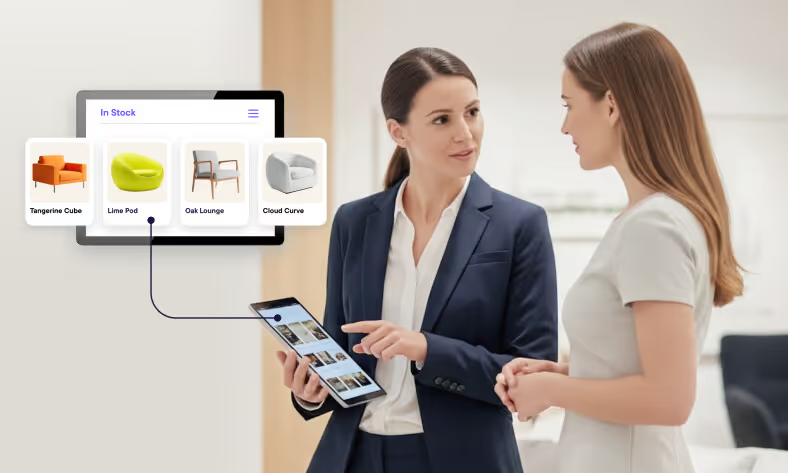
Now consider a more consultative selling approach. An associate and customer might browse products together, select colors and materials, configure options and decide whether the finished item should be delivered or collected.
In this case, a rapid take-with cart may not be the right experience — and that’s okay. With the InStore POS application, retailers can extend or replace the out-of-the-box cart with a consultative selling experience tailored to their sales process, while continuing to use the same POS application.
The retailer can keep the capabilities that don’t need to change, such as Payments and the everyday operational workflows, and customize the part of the experience that matters most to its customers and associates.
For retailers, the value of a productized InStore POS application is that the starting point is already a working application, while the architecture leaves room to differentiate where it matters. That can help teams move faster from an idea to a proof of concept, get store-colleague feedback earlier, and learn from real usage before committing to a large-scale custom build.
Instead, retailers can start with the core capabilities they need, adapt the associate experience around their specific operating model, and continue evolving it over time.
The InStore POS application provides a productized foundation for everyday store operations, while its composable approach gives retailers room to create the experiences that make their stores different.
Understand the consideration process that our groundbreaking retailers have followed on their way to a successful and modern point-of-sale implementation by downloading our whitepaper.
Whitepaper
The Retailer’s Guide to Choosing a Modern POS Platform
A practical guide to evaluate POS technologies and modernize your store operations.

With a quarter century of experience in retail product management and “a black belt in shopping,” Martha has built and evangelised solutions including point-of-sale, head office, returns management, promotional pricing, and end-to-end operations. At commercetools, she is enabling the future of unified commerce in physical stores today with InStore, focusing on empowering store colleagues to delight shoppers.
Receive monthly updates on trends, products and growth insights in your inbox.